Can I Continue Working With Cervical Spondolysis
Cervical spondylosis is degeneration of the bones in the neck (vertebrae) and the disks between them, putting pressure on (compressing) the spinal cord in the neck.
-
Osteoarthritis is the most common cause of cervical spondylosis.
-
The first symptoms are often an unsteady, jerky walk and pain and loss of flexibility in the neck.
-
Magnetic resonance imaging or computed tomography can confirm the diagnosis.
-
Treatment includes a soft neck collar, nonsteroidal anti-inflammatory drugs, and sometimes surgery.
Cervical spondylosis usually affects middle-aged and older people. It is a common cause of spinal cord dysfunction among people older than 60.
As people age, osteoarthritis Osteoarthritis (OA) Osteoarthritis is a chronic disorder that causes damage to the cartilage and surrounding tissues and is characterized by pain, stiffness, and loss of function. Arthritis due to damage of joint... read more 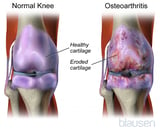 becomes more common. It causes vertebrae in the neck to degenerate. When bone in the vertebrae attempts to repair itself, it overgrows, producing abnormal outgrowths of bone (spurs) and narrowing of the spinal canal in the neck. (The spinal canal is the passageway that runs through the center of the spine and contains the spinal cord.) The disks between the vertebrae degenerate, causing the spinal canal to narrow even more. Normally, the disks cushion and protect the spine. But the degenerated disks no longer provide cushioning. As a result, the spinal cord is more susceptible to injury caused by sudden movements. For example, minor neck trauma due to a fall can severely damage the spinal cord. These age-related changes gradually result in spinal cord compression Compression of the Spinal Cord Injuries and disorders can put pressure on the spinal cord, causing back or neck pain, tingling, muscle weakness, and other symptoms. The spinal cord may be compressed by bone, blood (hematomas)... read more , causing the cord to malfunction.
Some people are born with a narrow spinal canal. In them, compression due to spondylosis may cause more severe problems.
Symptoms of cervical spondylosis may result from compression of the spinal cord, the spinal nerve roots, or both.
If the spinal cord is compressed, the first sign is usually a change in walking. Leg movements may become jerky (spastic), and walking becomes unsteady. Sensation below the neck may be decreased. The neck may be painful and become less flexible. Reflexes in the legs typically become exaggerated, sometimes causing muscles to contract involuntarily (called spasms). Coughing, sneezing, and other movements of the neck may worsen symptoms. Sometimes the hands are affected more than the legs and feet.
If severe, compression may impair bladder and bowel function. If minor neck trauma severely damages the spinal cord, all four limbs may suddenly become paralyzed.
If spinal nerve roots are compressed, the neck is usually painful, and the pain often radiates to the head, shoulders, or arms. Muscles in one or both arms may become weak and waste away.
-
Magnetic resonance imaging or computed tomography
Doctors suspect cervical spondylosis based on symptoms, especially in older people or in people who have osteoarthritis.
-
Nonsteroidal anti-inflammatory drugs
-
A soft neck collar
-
Sometimes surgery
-
For spasms, a muscle relaxant
Without treatment, symptoms of spinal cord dysfunction due to cervical spondylosis sometimes lessen or remain the same, but they may worsen.
Initially, especially if only nerve roots are compressed, a soft neck collar to support the neck and nonsteroidal anti-inflammatory drugs (NSAIDs) such as ibuprofen may provide relief. If they do not, surgery may be needed.
If the spinal cord is compressed, surgery is usually needed. An incision may be made through the front or back of the neck. Then, part of the affected vertebrae is removed to make more room for the spinal cord—a procedure called laminectomy. Bone spurs, if present, are removed, and the spine may be stabilized by fusing the vertebrae together. As a rule, surgery does not reverse the existing nerve damage, but it prevents additional nerve damage. The earlier the surgery, the better the outcome.
Because the spine may be unstable after surgery, people may need to wear a rigid brace to hold the head still while healing occurs.
If muscle spasms occur, baclofen, a muscle relaxant, helps relieve them.
CLICK HERE FOR THE PROFESSIONAL VERSION

Copyright © 2022 Merck & Co., Inc., Rahway, NJ, USA and its affiliates. All rights reserved.
Source: https://www.msdmanuals.com/home/brain,-spinal-cord,-and-nerve-disorders/spinal-cord-disorders/cervical-spondylosis

Post a Comment for "Can I Continue Working With Cervical Spondolysis"